
ADVENTURE BANGLADESH
ADVENTURE BANGLADESH
TOUR DATE AND DURATION:
05 – 18 DECEMBER 2026 & 2027 | 14 Days & 13 Nights
15 – 28 JANUARY 2026 & 2027 | 14 Days & 13 Nights
07 – 20 FEBRUARY 2026 & 2027 | 14 Days & 13 Nights

Main Exposure
Bangladesh, the emerald of South Asia, is one of the world’s most intriguing and beautiful countries. It is a world of friendly people, rich cultures, vibrant festivals, ancient traditions, bustling streets and industries that are toiled by hand in the same way they have been for centuries. While the rest of the world has mechanized and industrialized a lot of its traditional agriculture and basic work, the remarkable thing about Bangladesh is that everything imaginable is done entirely by hand.
The Adventure Bangladesh photo tour is specially designed to explore the real rural life of Bangladesh. This is the most exclusive tour you can experience experience the real rural life of Bangladesh, Bangladesh’s rich cultures, vibrant festivals, ancient traditions, most fascinating street in the old Dhaka city, hundreds of people gather in fishing festival, games of thousands of colors in the batik fabric village, fishing in the world’s longest sea beach, local fishermen head to sea in moon shaped boats, largest fish drying village incredible place is adorned with hundreds of racks of fish that will dry in the sun, the largest center for breaking ships in the world, brick makers, stone miners and daily labors, amazing fascinating faces portrait and people photography.

EXPLORE
-
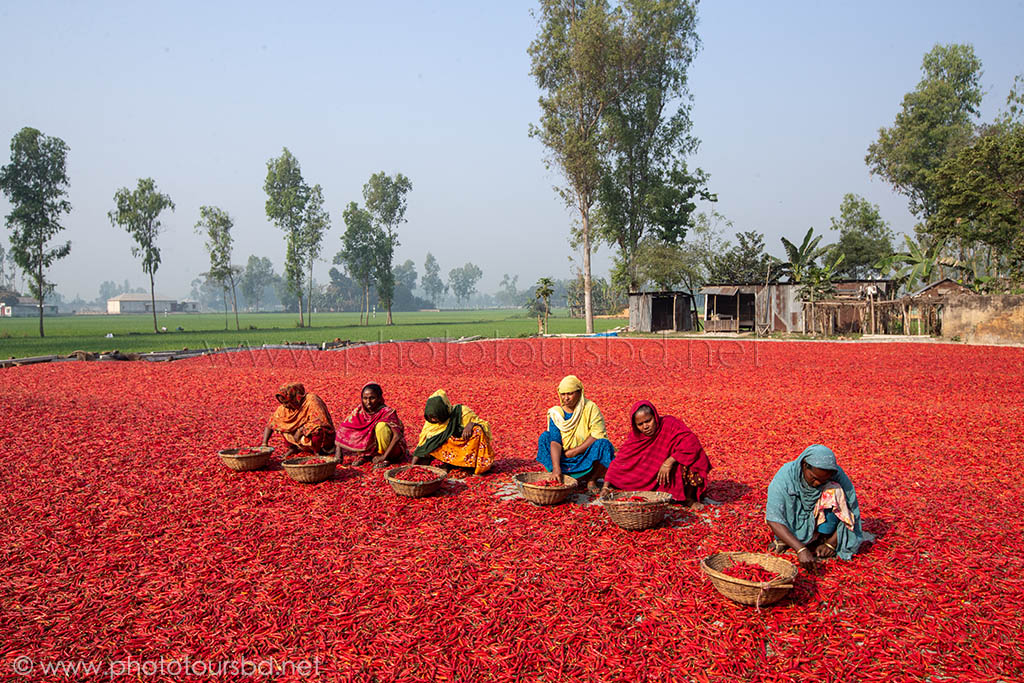
Village people dry millions of red chilies on courtyards under the sun and many women sort them to sitting on red chilies.
-
Explore the best fishing & dry fish season.
-
Photograph Asia’s largest Shipyard, the biggest Stone Mine in Bangladesh
-
Photograph the traditional brick factories, daily life and daily labors in the Old Dhaka City Heritage
DISCOVER
-
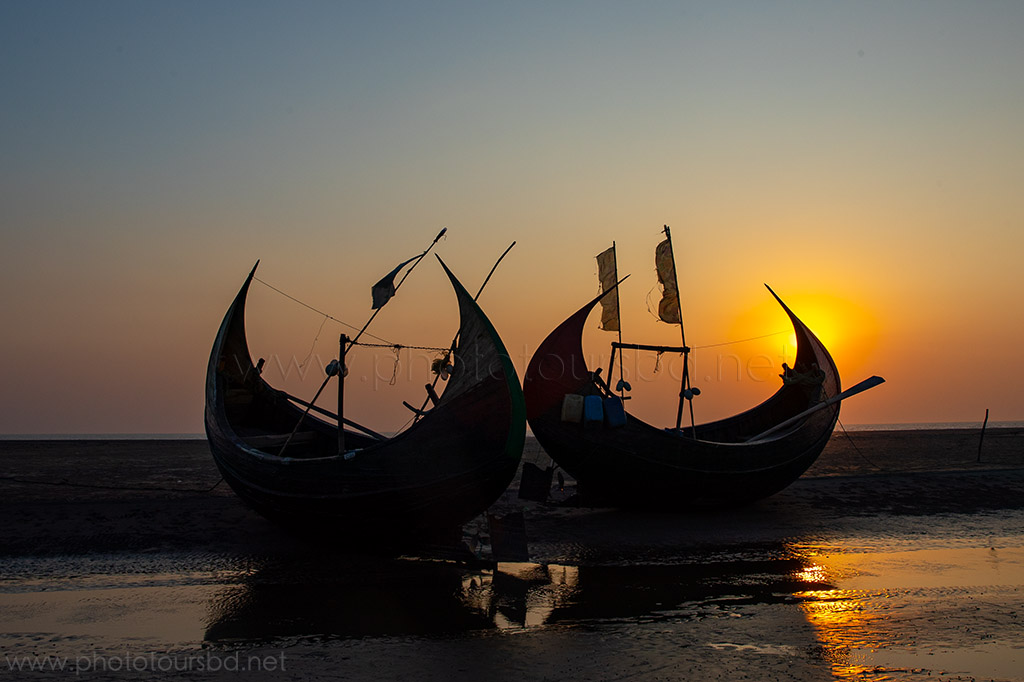
Cox’s Bazar is a tourist destination in southeastern Bangladesh and is famous for having the longest uninterrupted natural beach in the world, which stretches for about 120 km along the Bay of Bengal. The crescent moon shape of the fishing boats in Cox’s Bazar, also known as “Moon Boats,” is a result of practical design and traditional craftsmanship.
- Fishing activities in the beach, children playing in the beach and enjoy the sunset in to the sea.
- Explore the world of friendly people, rich cultures, vibrant festivals, ancient traditions, and bustling streets through your lens.

LEARN
-
Learn about and photograph the Batik fabrics villages & Sun-dry process Rice Paddy
-
Capture photographs that convey the essence of the people and their surroundings, and master the art of visual storytelling to convey the narratives and traditions of the Bangladeshi culture.
ADVENTURE BANGLADESH TOUR ITINERARY
DAY 01: ARRIVAL IN DHAKA PHOTOGRAPHY IN THE OLD DHAKA CITY
Upon arrival, one of our representatives will meet you at the airport and escort you to the hotel for check-in. This afternoon, we will gather in the hotel lobby to introduce you to group members and meet with your photoguide, who will share information about your tour to help you. Then begin with the first day of shooting in the old city of Dhaka. Old Dhaka offers a glimpse into the country’s rich history, culture, and cuisine. Filled with chaotic streets, markets, old-world atmosphere, history, spirituality, and energy, you can’t get bored in Dhaka. Old Dhaka is the historic part of the city, where you can see the influence of the Mughal, British, and French colonial eras. We will explore the narrow alleys, rickshaws (three-wheeler bicycles), rickshaw traffic, and bazaars of Old Dhaka, where you can find a variety of handicrafts, textiles, jewelry, and antiques. We will also continue to learn how to interact with local communities, respect their cultures, tell their stories through their photographs, and express our creativity and emotions through our artistic work. Overnight in the hotel in Dhaka.
Today’s Shooting Highlights:
- Old Dhaka City: Narraw Road in Old Dhaka; some streets are crowded with rickshaws.
- Bazaars of Old Dhaka, where you can find a variety of handicrafts, textiles, jewelry, and antiques.
- Facinated faces: Portraits of city people, rikshaw drivers.
- Street Photography: Dhaka is the world’s most popular location for street photography.


DAY 02: DHAKA SHIPYARD
Start the day with a visit to the shipyard area of Dhaka, where you can see the bustling activity of one of the most extensive cargo ship maintenance facilities in the city. Take a short boat ride across the river to the area where the towering ships are propped up along the riverbank. Observe skilled workers performing tasks such as molding new propellers from recycled metal, grinding the ship’s carcass, and replacing damaged sections of the hull with large metal plates. You will also learn about the harsh working conditions and low wages these workers endure while capturing their faces and expressions.
We will return to the hotel for a relaxing dinner and a comfortable overnight stay in Dhaka.
Today’s Shooting Highlights :
- Riverside life: Activities of people living beside the river.
- Flower Boats: hundreds of local boats anchored in the river that look like a flower.
- Ship breaking: Shooting of old ships breaking, cutting the big ships into small pieces.
- Boat Ride: Take a short boat ride across the river to the area where the towering ships are propped up along the riverbank
- Molding new propellers: Skilled workers forge new propellers from recycled metal, grind the ship’s carcass, and replace damaged sections of the hull with large metal plates.
- Portrait of workers: Capturing shipyard workers’ faces and expressions.


DAY 03: BRICK MAKING
An unforgettable journey to one of Dhaka’s largest brick factories, where you will witness the incredible efforts and resilience of the brickmakers, unfortunately, many of whom are underage. You will be amazed by the sight of thousands of bricks stacked up in neat rows, waiting to be baked in the massive ovens. You will also see how the workers use traditional methods and tools to shape, cut, and carry the bricks, often on their heads or shoulders. You will have the opportunity to interact with workers and learn about the environmental and social challenges the brick industry faces, including air pollution, deforestation, child labor, and low wages. This is a unique opportunity to capture the beauty and hardship of the brick makers’ world, with striking contrasts in color, texture, and emotion. This will be an all-day activity. We will return to the hotel for dinner and an overnight stay in Dhaka.
Today’s Shooting Highlights :
- Raw brick making: workers use traditional methods and tools to shape raw bricks.
- Brick carry on heads: hundreds of brick labourers carry bricks on their heads.
- Environment: Environmental and social challenges the brick industry faces, including air pollution,
- Portrait: Amazing portraits of brick labourers, their faces makeup by red brick dust
- Child labor: Many children work alongside their parents in brick yards.
- Slum beside brick yards: Brick labourers’ living conditions, small houses, slum beside brick yards.


DAY 04: COLORFUL VILLAGE LIFE, BATIK VILLAGE AND RICE DRYING IN COURTYARD
You will have the opportunity to capture unforgettable images of village life, with its rich colors, textures, and emotions. You will see the contrast between the simplicity and vibrancy of the rural scenes and the harmony and resilience of the people. This is a unique, immersive experience that will give you deeper insight into Bangladesh’s culture and history, as well as the challenges and opportunities of rural development. We also have opportunities to photograph in the tie-dye (Batik) village of Bangladesh, people applying colors to fabrics by traditional methods, and fabrics drying in the sun. It’s another name, the town of colors. After lunch, a photoshoot in courtyards, people working in rice drying, the lines of rice paddy, while the sun-dry process takes place in the courtyard. This ancient tradition is being rapidly displaced by mechanized rice drying, which makes me wonder how long the beauty of these courtyards might endure, like so many industries in Bangladesh. We will return to the Dhaka hotel for dinner and an overnight stay.
Today’s Shooting Highlights :
- Village life: its rich colors, textures, and emotions.
- Colors of the Village: People applying colors to fabrics by traditional methods.
- Tie-dyeing Vatik fabric: It is a rural area home to several fabric-dyeing plants and fields where freshly dyed cloth is dried in the sun.
- Street photography: We also enjoyed some lovely street photography as we wandered through the fabric-working villages.
- Rice drying courtyards: These beautiful rice-drying courtyards are where rice is spread out over a large area to dry in the sun. At the end of each day, the rice is swept up and covered by conical shelters called “topas”.
- Life in rice drying: Children in the rice topas, women getting ready for dinner, washing, drying clothes and the tiny local homes where the rice workers lived


DAY 05: DHAKA CITY CENTRAL TRAIN STATION AND SHADARGHAT RIVER PORT
Today, we visit Dhaka’s Kamalapur railway station, one of the busiest and most vibrant places in the city: the largest station in Bangladesh, designed by American architects in a neo-Islamic style. You will observe the hustle and bustle of commuters traveling to and from various parts of the country every day. You will see the diversity and the dynamism of the people who come from various backgrounds, cultures, and professions. You will also observe the challenges and opportunities of the railway system, which plays a vital role in Bangladesh’s economy and society, and capture striking portraits of commuters. After lunch, explore the Sadarghat river port area, the busiest and most interesting in the city. The Buriganga River here at the Port of Dhaka is a sight to see, filled with a variety of boats, from small wooden rowboats to giant ferries. On the banks, the streets are even more crowded with porters unpacking produce and markets selling it. Sometimes you can’t even move here, but in the more open spaces, you’ll find a unique atmosphere and take amazing photos.
Today’s Shooting Highlights :
- Faces in the window: capture striking portraits of commuters. Passengers are looking out the train windows.
- Climbing to the roof: People are climbing onto the roof of the train.
- Riverside life: Activities of people living beside the river.
- Fascinating faces: fascinating faces, even special character faces.
- Local wooden boats: The Buriganga River is filled with a variety of boats, from small wooden rowboats to giant ferries.


DAY 06: COAL PORT AND PLASTIC RECYCLING
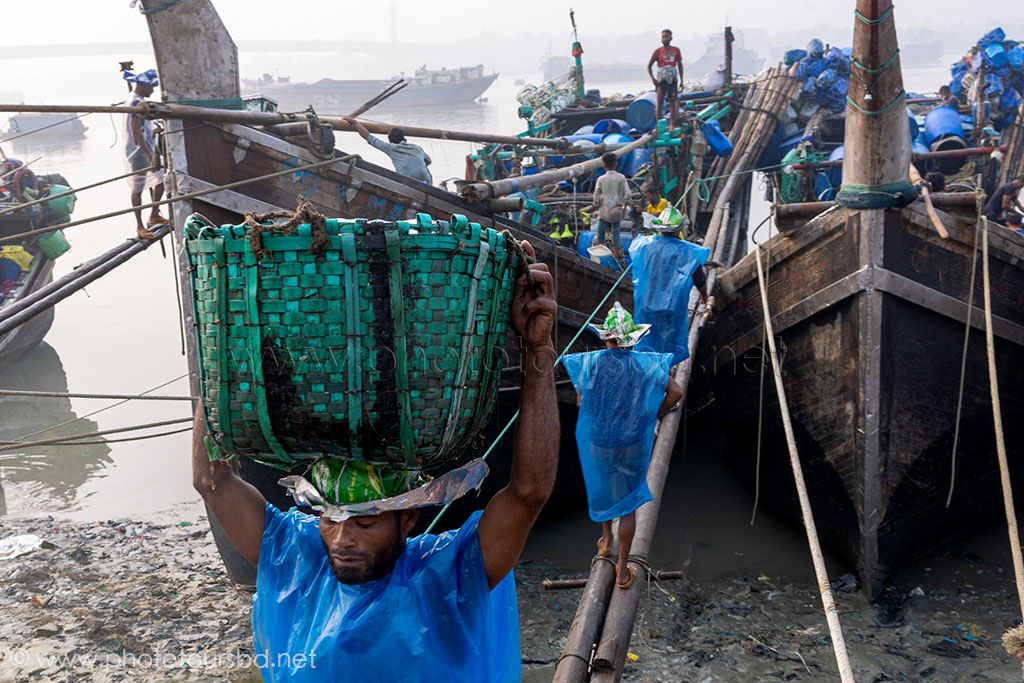
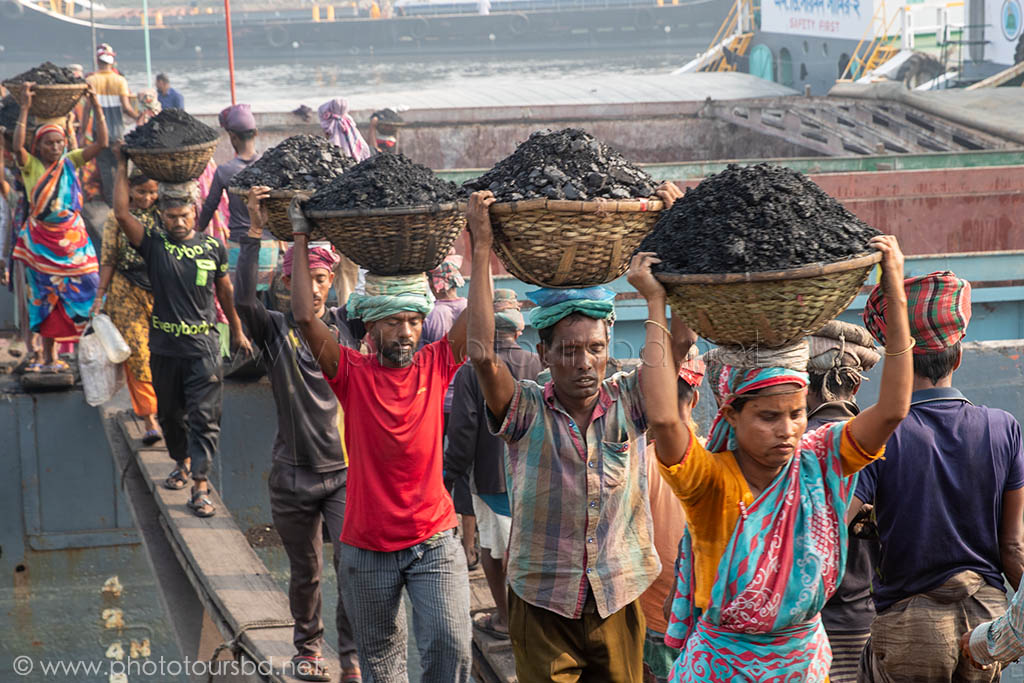
Prepare to be amazed by the riverside unloading area of Dhaka, where you will see the hard work and the skill of the workers who unload tons of coal, cement, and sand every day for a handful of dollars. You will witness the incredible strength and endurance of the workers, who carry heavy loads of coal, cement, and sand on their shoulders, heads, or backs. You will also see how they use simple tools and techniques, such as ropes, pulleys, and buckets, to unload the materials. You will learn about the challenges and risks workers face, such as low wages, poor working conditions, and health hazards. You will have the opportunity to capture stunning images of the unloading area, working with your camera settings to get different styles such as backlight or motion blur, contrasting the black coal, the gray cement, and the yellow sand against the blue sky, the water, and the brown boats. You will also capture the expressions and the emotions of the workers, who show their determination, pride, and camaraderie and interact with them to learn their stories and experiences with you. Today after lunch, we visit a plastic recycling area where waste is collected, sorted, processed, and transformed into reusable materials. Plastic recycling is a vital activity for reducing plastic pollution and promoting green growth in Bangladesh. However, plastic recycling faces many challenges, including the cost of collection and sorting, the diversity of plastic types, limited awareness and incentives, and, especially, health and environmental risks. You can see how local workers manage and recycle plastic waste. Overnight in the hotel in Dhaka.
Today’s Shooting Highlights:
- Coal carry by head: Daily labourers carry heavy loads of coal, cement, and sand on their heads.
- Expression: Capture the expressions and the emotions of the workers, who show their determination, pride, and camaraderie.
- Portrait of workers: Capturing coal workers’ faces and expressions with covered their faces by coal dust or sand.
- Plastic bottles: People working on Plastic bottles sorting, cleaning and storing.
- Working environment: plastic recycling faces many challenges, especially health and environmental risk.


DAY 07: DHAKA TO CHATTOGRAM, ALUMINUM FACTORIES
After breakfast, prepare for check out, then start driving to the southern part of Bangladesh. In the afternoon, we will arrive in Chittagong, Bangladesh’s second-largest city. We will have lunch at the best local restaurant in this city. After lunch, visit the aluminum factories, where aluminum products are manufactured, including kitchen utensils and other metal products. The processes are highly manual; you will witness workers in very hazardous, grungy environments, which creates powerful images.
Today’s Shooting Highlights :
- Largest Aluminum Zone: The traditional manufacturing process of aluminum products.
- Working environment: Very hazardous, grungy environments, which create powerful images.
- Portrait of workers: Capturing brick yard workers’ faces and expressions, their faces and hands covered by aluminum dust.
- Child workers: Many children are working in this aluminum factory zone.


DAY 08: FISH LANDING PORT AND THE WORLD’S LONGEST SEA BEACH
It’s early morning, and we’re going to capture the fish landing – a daily spectacle with a hive of activity where everyone has their role to play, from kids to elders, women and men. As the sun’s rays pierce the horizon, you see the fishing boats returning after days at sea. The boats, each with its unique design, are a testament to the area’s rich maritime heritage. We will make a conscious effort to isolate stories and frames from the buzzing activity: each frame telling a story of the fishermen’s struggle, their camaraderie, the vendors’ anticipation, the locals’ excitement, the ecosystem, and the rivalries. After arrival in Cox’s Bazar, we will have lunch at the best local restaurant. You will enjoy a delicious lunch (fresh and safe) in this restaurant. Check into the hotel and have a short rest, then visit the fishermen’s activities in the world’s longest seaside beach. Cox’s Bazar is a tourist destination in southeastern Bangladesh, famous for the world’s longest uninterrupted natural beach, which stretches for approximately 120 km along the Bay of Bengal. Enjoy sea fish BBQ. Overnight in the hotel in Cox’s Bazaar.
Today’s Shooting Highlights :
- Unloading fish: Fishermen unloading fish from fishing boats.
- Fish market: Country’s largest sea fish market.
- Repairing nets and boats: Fishermen repairing fishing nets and fishing boats.
- Fishing activities: fishermen’s activities on the world’s longest seaside beach.
- Sunset: Enjoy the sunset with capturing amazing images.
DAY 09: MOON BOATS AND FISHING ACTIVITIES IN THE WORLD’S LONGEST SEA BEACH
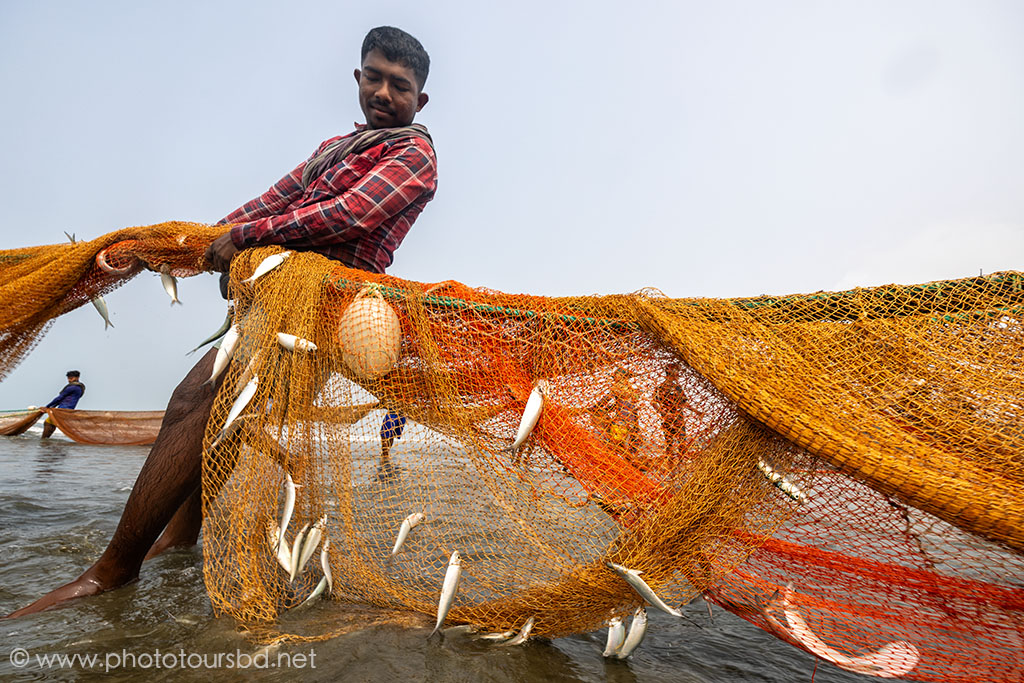
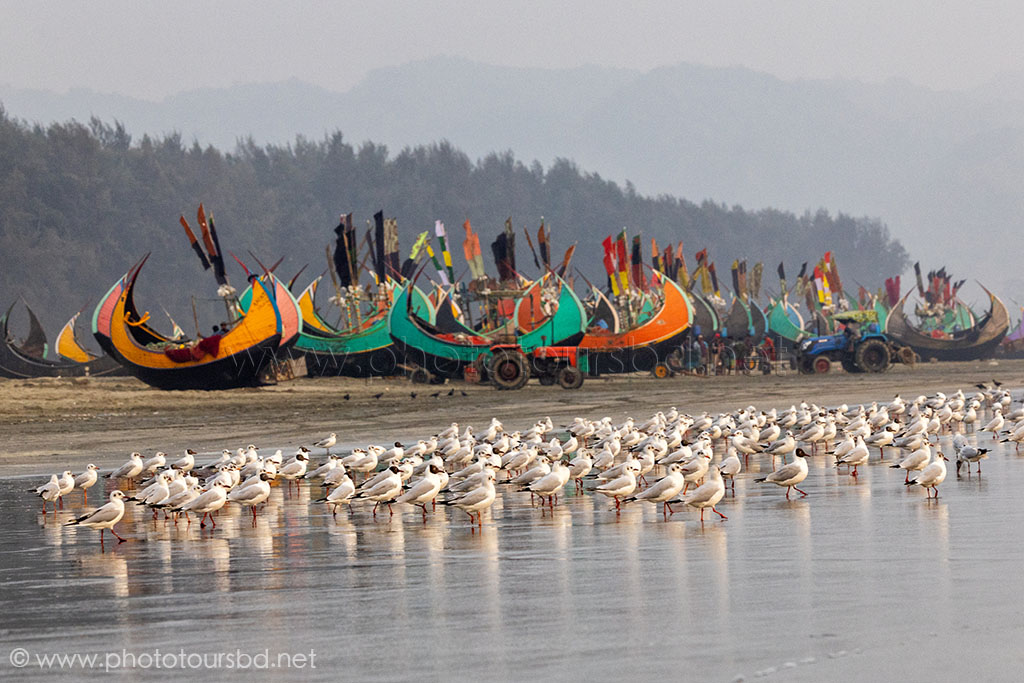
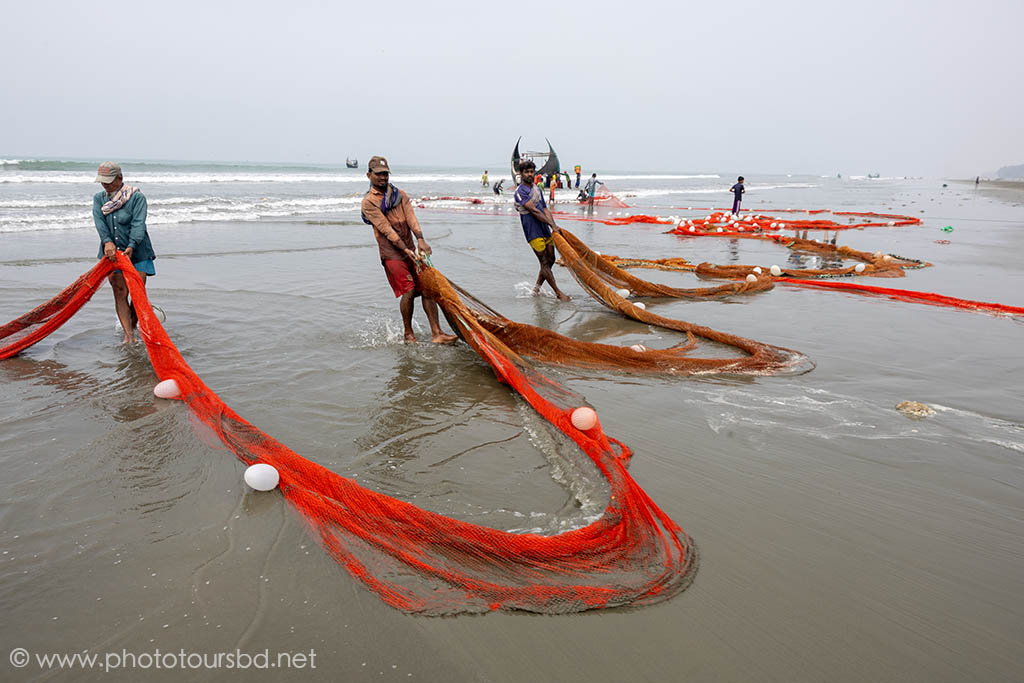
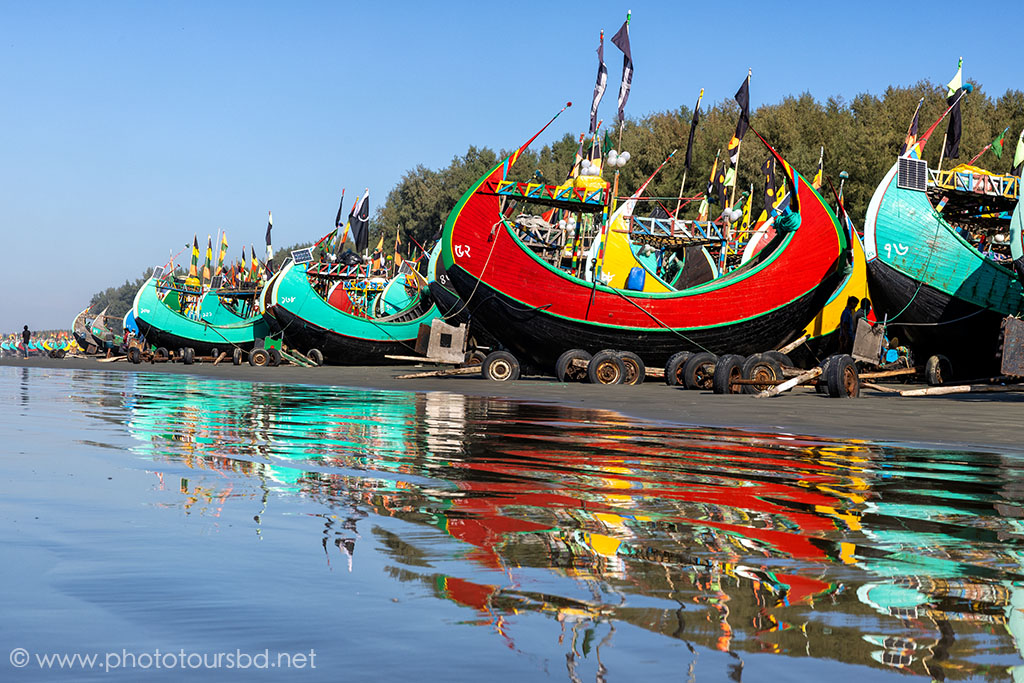
In the morning, we will drive south to observe how boats loaded with motivated fishermen depart for overnight fishing trips or return with a boatload of fish, including exotic species such as sharks. Continue exploring the world’s longest sea beach, you will see hundreds of colorful moon boats lined up on the beach and Fishermen are pulling their nets from the sea to the shore. The crescent moon shape of the fishing boats in Cox’s Bazar, also known as “Moon Boats,” is a result of practical design and traditional craftsmanship. This unique design not only serves a functional purpose but also adds to the aesthetic appeal of these boats, making them a symbol of the region’s rich naval heritage. We will meet boat builders, bakers, fishermen, salt farmers, blacksmiths, and much more. These craftsmen have been shaping vessels for generations, and we’ll get a chance to see them at work, their hands expertly handling the tools as they breathe life into the wood. In the vast, flat expanses of the salt farms, we’ll see how the farmers harness the power of the sun and sea to produce salt. Salt farming is a significant industry in Bangladesh’s coastal regions, particularly in the south. The salt fields, also known as salt flats, account for 25% of the country’s total cultivated area. After sunset, a short drive back and overnight in the hotel in Cox’s Bazaar.
Today’s Shooting Highlights :
- Moon boats: The crescent moon shape of the fishing boats, also known as “Moon Boats,” is a result of practical design and traditional craftsmanship.
- Fishing activities: Fishing activities in the world’s longest sea beach.
- Mirror Beach: Excellent reflection of fishing activities on the beach.
- Pulling fishing nets: Fishermen are pulling their nets from the sea to the shore.
- Sunset & moonboats: Hundreds of moonboats are standing at the seaside beach while the sunset in the sea.
- Salt farming: how the farmers harness the power of the sun and sea to produce salt.

DAY 10: BETEL NUT MARKET AND DRY FISH VILLAGE
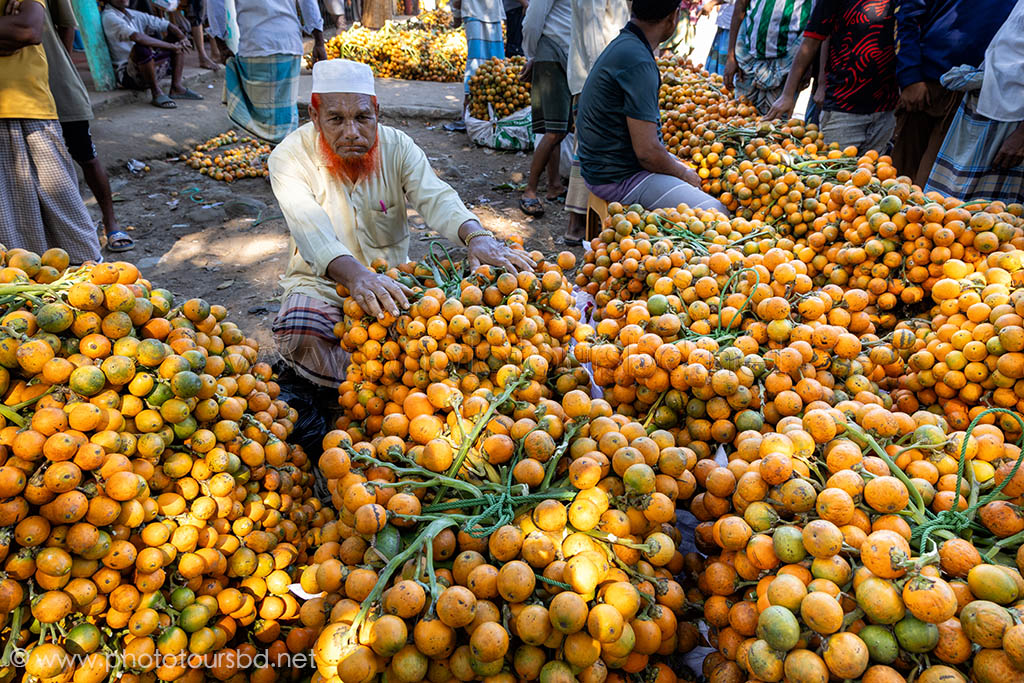
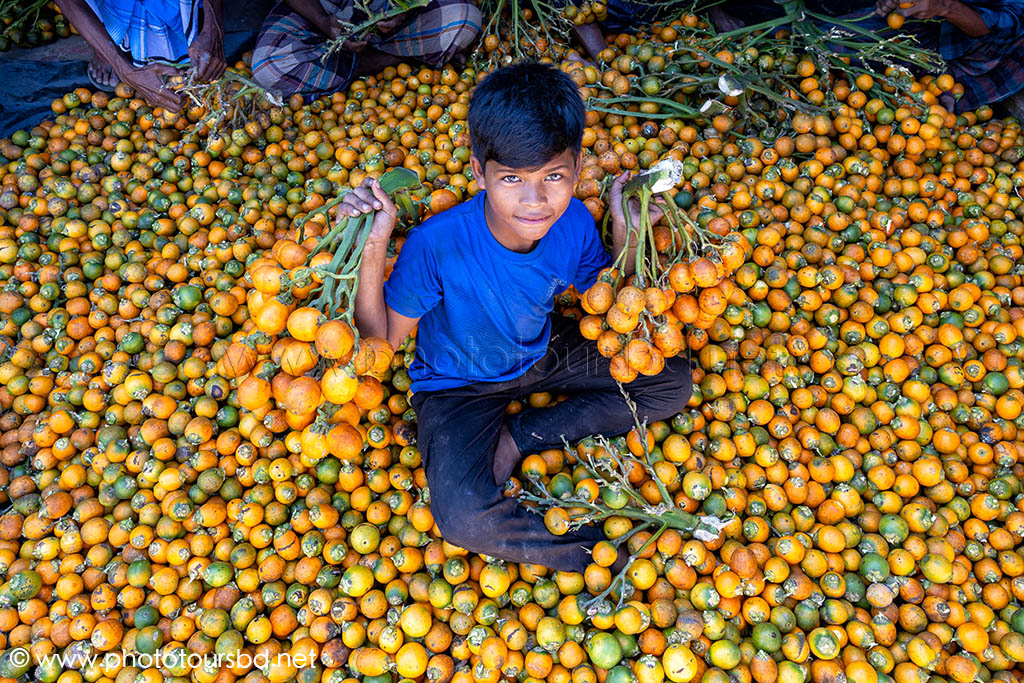
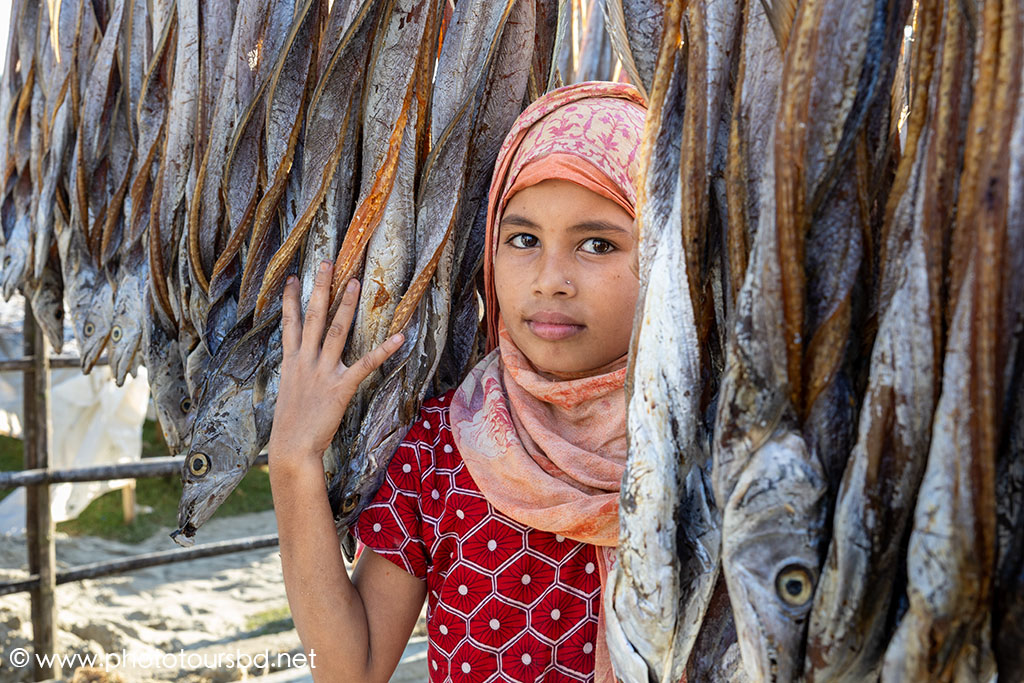
In addition to enjoying the world’s longest beach, we will also visit the betel nut market. This is an exciting market in the district, where village farmers bring vans full of betel nuts to sell to wholesalers. Apart from the bustling market, the wholesalers’ huge piles of betel nuts will look like thousands of oranges, creating a really charming atmosphere. We will return for lunch and some rest, then explore the fish-drying fields under the open sky. This traditional method of preservation involves drying the fish in the sun and air to remove the water content, allowing for long-term preservation that can make the fish last for months or even years.
Today’s Shooting Highlights :
- Betel nut market: Spectacular wholesale betelnut market.
- Village market: Explore the local village market.
- Dry fish village: Traditional fish-drying fields under the open sky.
- Dry fish storage: After drying, store dry fish for a long time.
- Sunset: Fishing activities until sunset on the sea beach.
DAY 08: COX BAZAR TO DHAKA
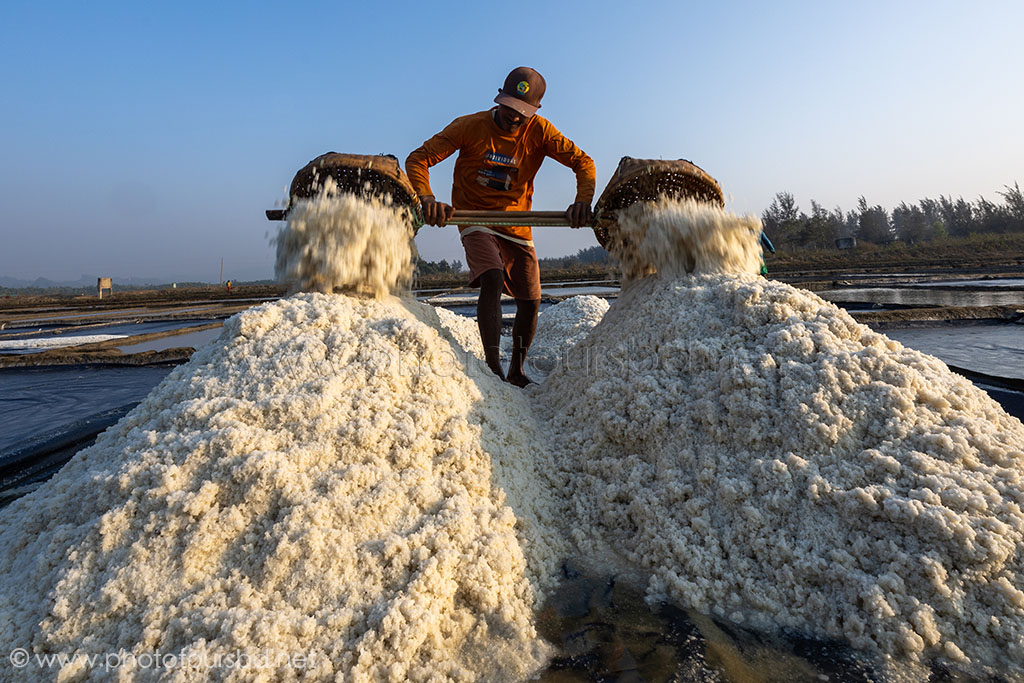
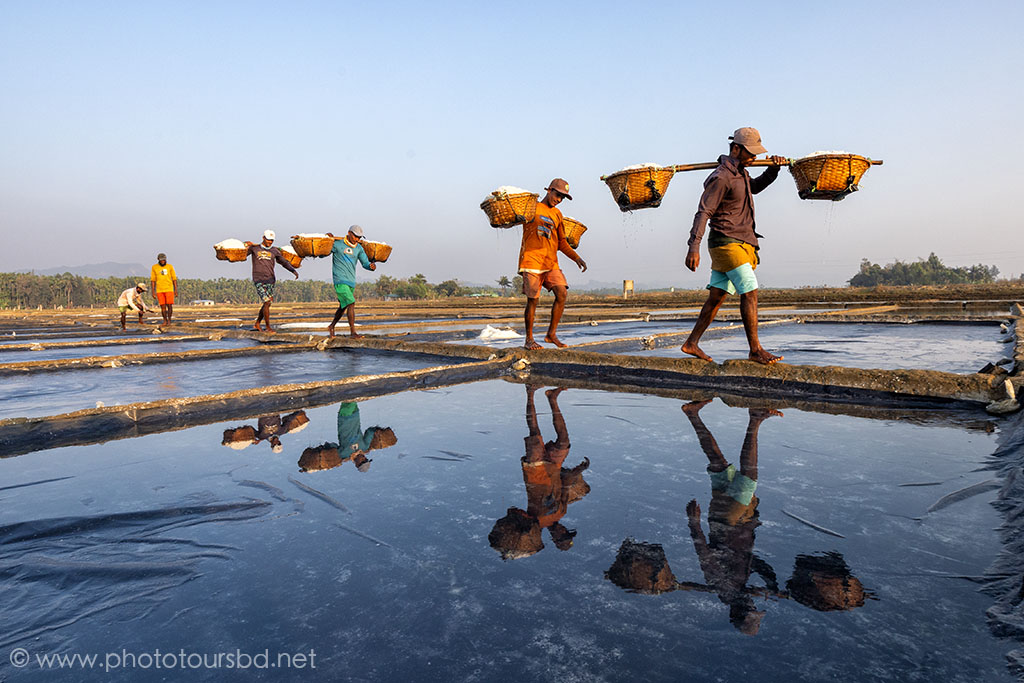
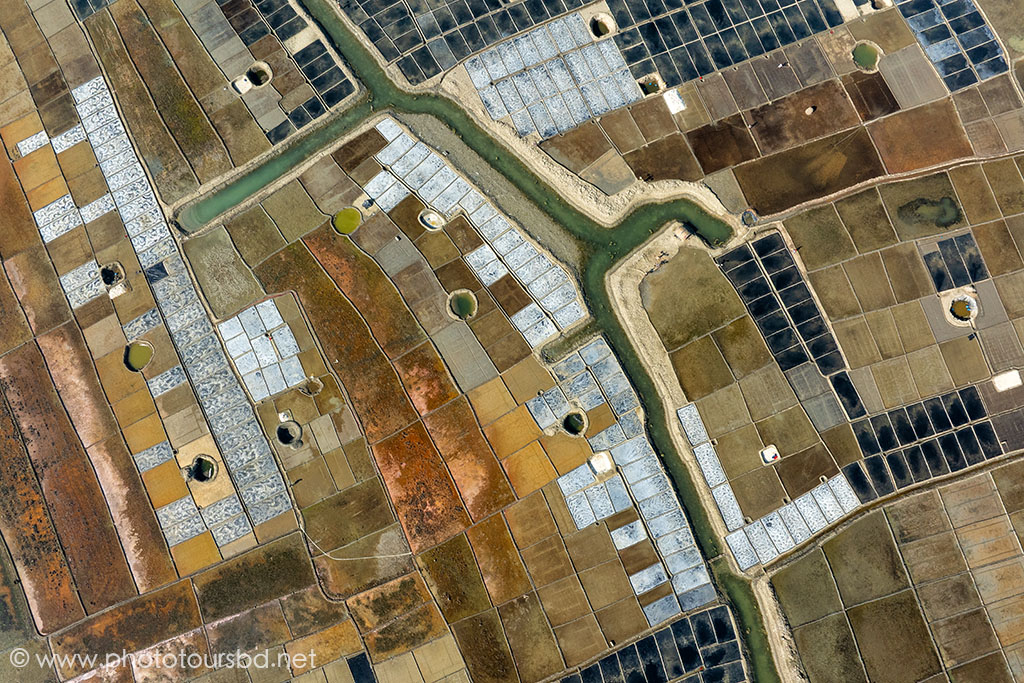
Today, we’re embarking on an adventure that’s as much about the people we’ll meet as it is about the places we’ll see. We’ll start our day hopping onto speedboats for a 20-minute zip toward a nearby island (life jackets provided). The island is like a small country; ecosystems have emerged over the centuries, and we will meet boat builders, bakers, fishermen, salt farmers, blacksmiths, and much more. These craftsmen have been shaping vessels for generations, and we’ll get a chance to see them at work, their hands expertly handling the tools as they breathe life into the wood. In the vast, flat expanses of the salt farms, we’ll see how the farmers harness the power of the sun and sea to produce salt. Salt farming is a significant industry in the coastal regions of Bangladesh, particularly here in the south. The salt fields, also known as salt flats, account for 25% of the country’s total cultivated. After lunch take the local flight for return in the Dhaka City.
Today’s Shooting Highlights :
- Salt Pans: Farmers create a grid of shallow pans near the seashore.
- Traditional process: The traditional drying process for salt making.
- Traditional fishing boat building in Cox’s Bazar is primarily a craft of hereditary wooden boat builders specializing in iconic “Moon Boats”
DAY 13: DHAKA TO NORTH BENGAL
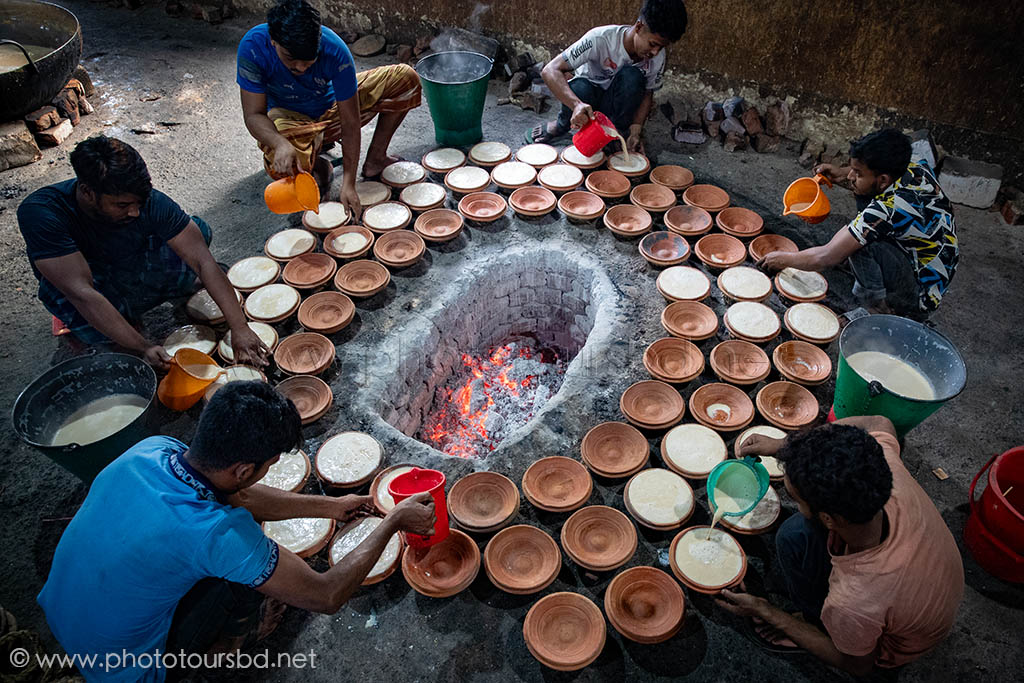
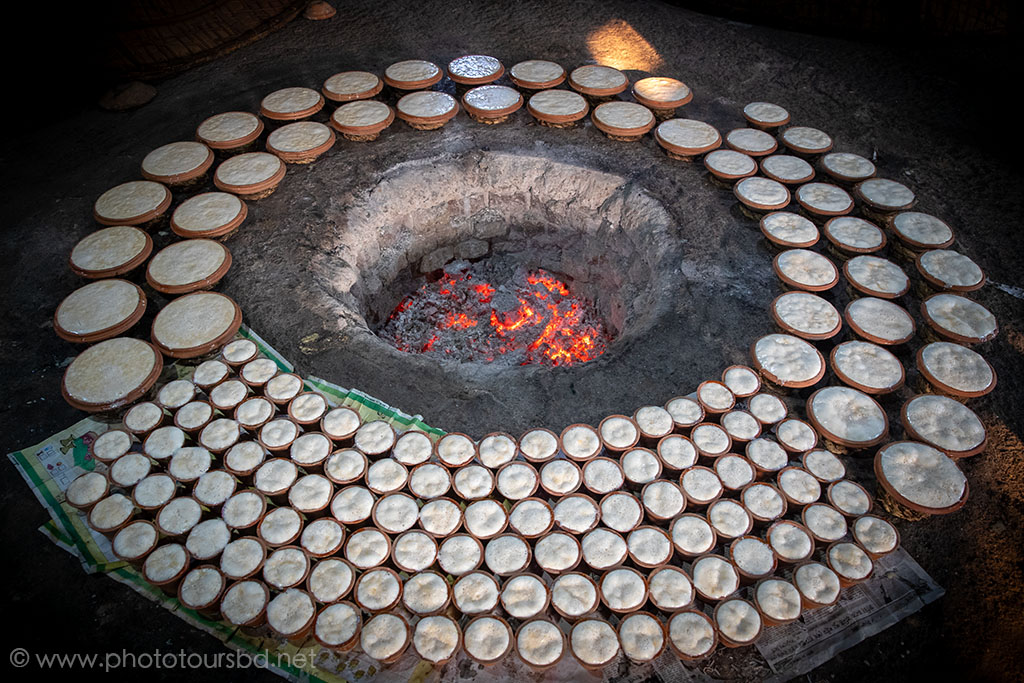
After breakfast, check out the hotel, then we will start our journey to the Northern part of Bangladesh. This immersive journey often features a morning visit to a riverside coal port, frequently in the vicinity of Old Dhaka or on the way to the northern regions, where over 3,000 laborers manually transport black coal, bricks, and sand on their heads from lighter vessels to the shore, offering a poignant look at industrial daily life and rural, traditional river activities. After lunch, we will visit the traditional curd-making factories.
Today’s Shooting Highlights :
- Riverside life: Witness the incredible strength of workers carrying, breaking, and transporting coal and bricks by hand.
- Cultural Experience: A glimpse into rural Bangladesh, featuring riverside villages and traditional curd making.
- Village life: Shooting on the village people, fascinating faces and portrait.
DAY 12: NORTH BENGAL TO DHAKA
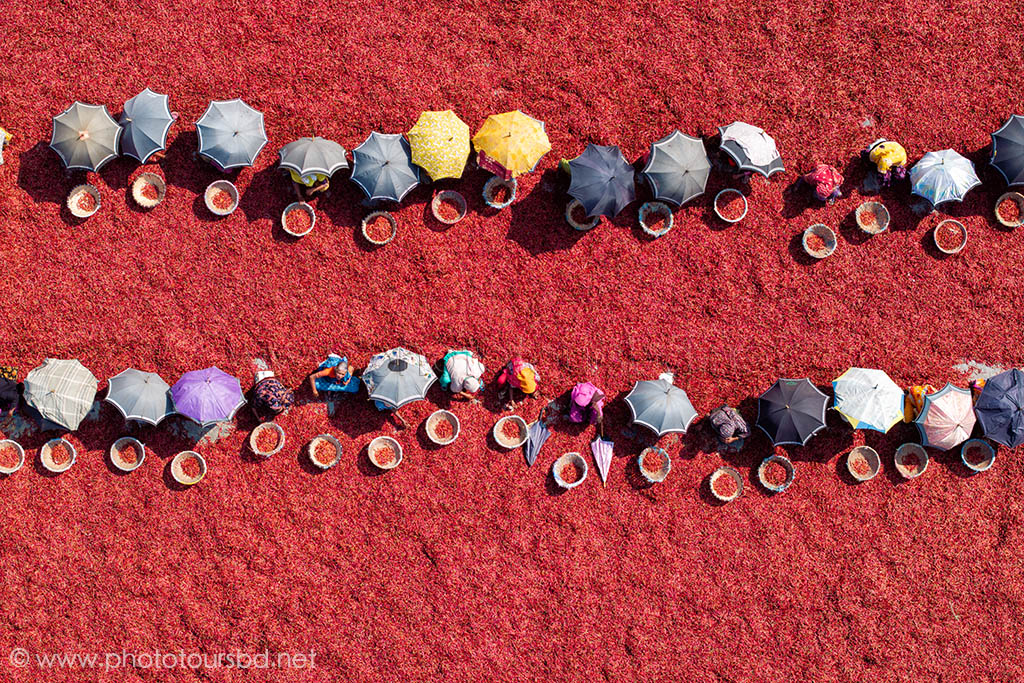
This morning we will visit the floating market. After that, we will visit the most spectacular, the red chilies drying in the courtyard. The drying of red chilies in the courtyards of North Bengal, Bangladesh, is a major agricultural, cultural, and visual event of the Northern districts. This traditional process takes place between November and March, transforming rural landscapes into vibrant red, geometric carpets. The area is famously pungent with the spicy aroma of chilies. The vast, sun-dried red carpets, often organized in “lines” by workers, offer a striking contrast to the rural landscape, making it a popular subject for photography.
Today’s Shooting Highlights :
- Amazing floating market on the river.
- Millions of red chilies: Farmers spread millions of mature, red chilies on the ground in their courtyards, on rooftops, and along riverbanks to dry in the sun.
- Flower Boats: Hundreds of local boats anchored in the river that look like a flower.
- Rural landscape: Transforming rural landscapes into vibrant red.
- Sorting chilies: Village women are sorting chilies.
- Village life: Explore the rural village life.
DAY 14: VEGETABLE MARKET AND DEPARTURE
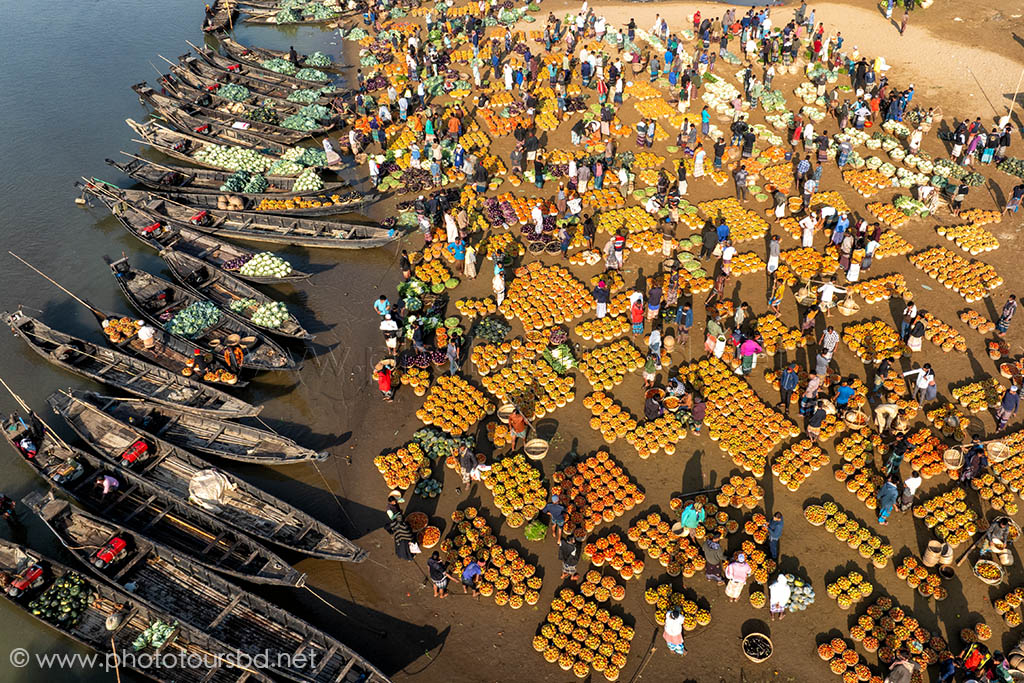
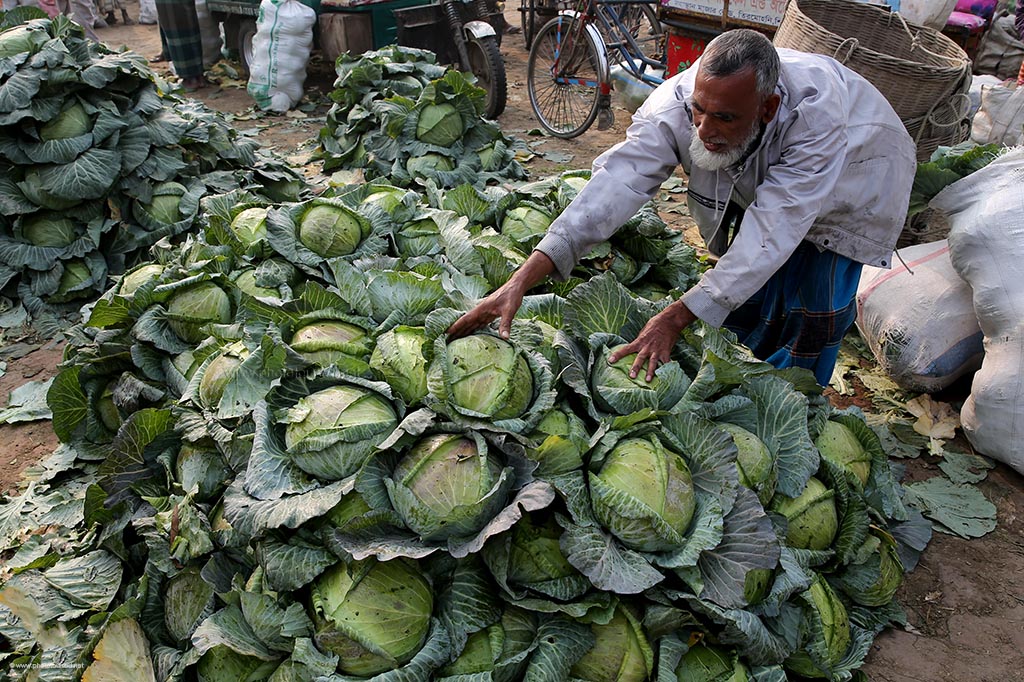
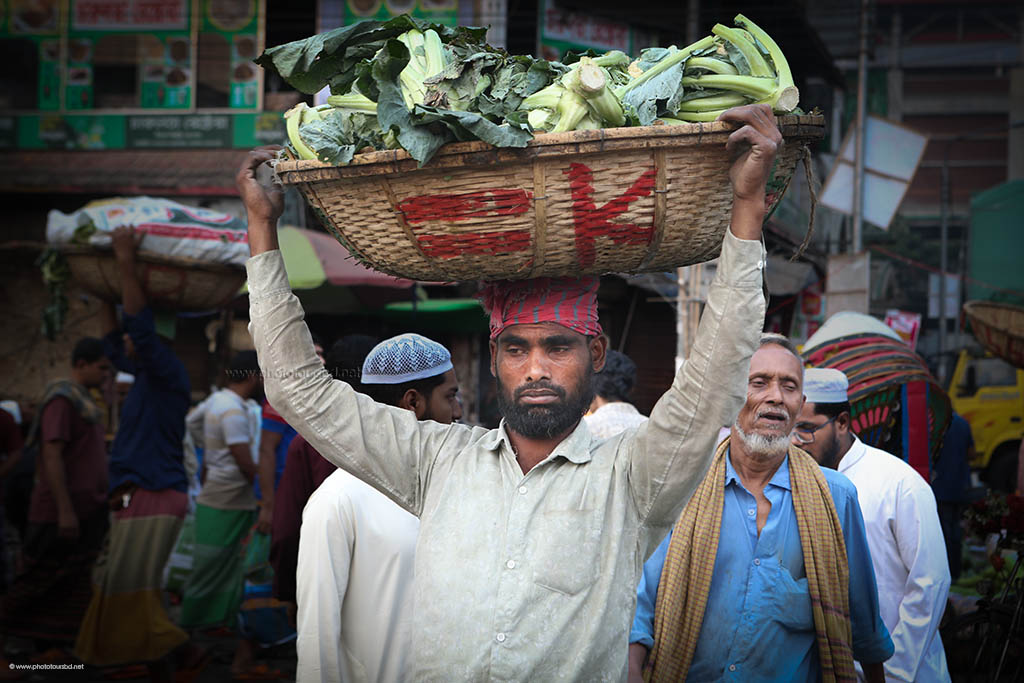
In the morning, we will explore the largest vegetable market in Dhaka, where you can find a wide variety of fresh and colorful produce. You will be amazed by the sheer volume of vegetables sold here every day, estimated at around 700,000 kg. You will also witness lively interactions between vendors and customers, as well as the challenges of transporting and storing vegetables in this crowded, chaotic environment. This is a great place to immerse yourself in Bangladesh’s vibrant culture. After breakfast, preparing for check out of the hotel. The last check-out time is 12:00 PM, and based on your departure flight, we will drop you off at the airport.
Today’s Shooting Highlights :
- Environment: transporting and storing vegetables in this crowded, chaotic environment.
- Daily labor: Workers primarily load and unload goods.
- Different Sections: dedicated sections for various fresh produce, seafood, and poultry
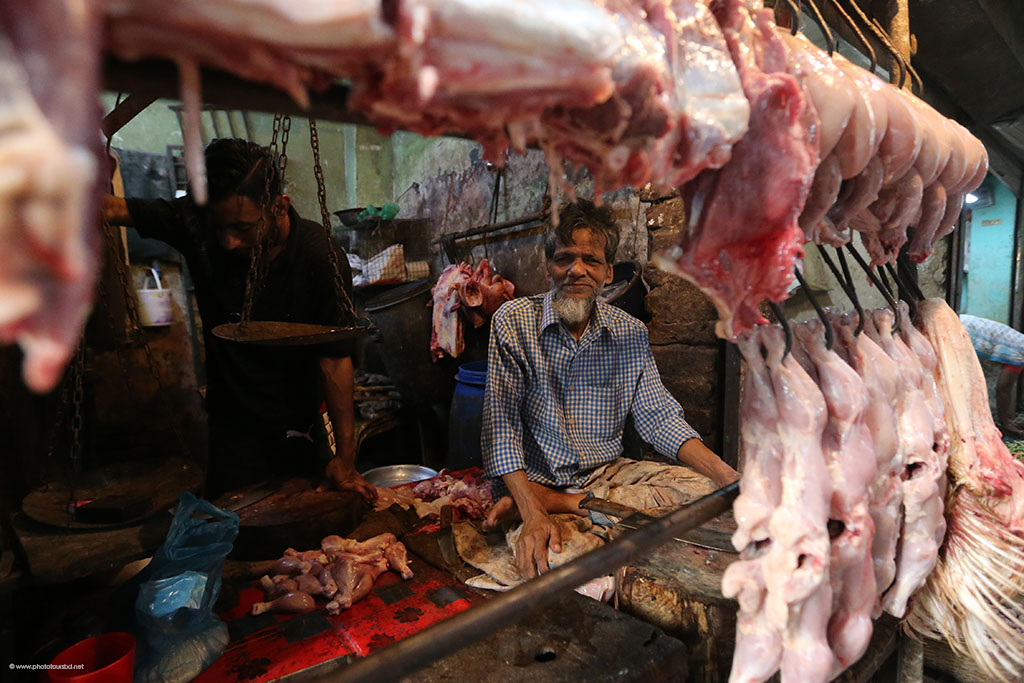
- Chicken Market: Known as the city’s largest chicken market, offering live and processed birds.
PRICE INFORMATION
COST PER PERSON:
$3550 Based on Double Occupancy.
Single Occupancy $600.
If you are traveling alone, the single supplement will not apply if you are willing to share a room and there is a room-mate of the same sex available.
Limited to 8 participants in the group.
Explorebd Inclusions: Our tour prices include surface transportation, accommodations (4-star and 3-star hotels), and meals B.L.D. (Breakfast, Lunch & Dinner), Local Flight Coxbazar to Dhaka, all village donations and photography fees, model fees and entrance fees.
Our tour prices also include all tips for our accommodation/restaurant staff.
Not including Gratuities for Photo Guides and tips for drivers.
Deposit: 50% of the total tour price to confirm your booking by Bank transfer, and the rest of the amount is to be paid in cash on arrival.
To confirm your booking, please fill out our online booking form.
TO BOOK THIS TOUR: Click here
Skill Level: Suitable for ALL Skill Levels, Novice to Advanced or Beginner to Professional Photographer.
Physical Fitness: Easy to Moderate, Suitable For Any Mature Age Level. The walking effort during our Bangladesh photography tour is mostly easy.
RECOMMENDED GEAR FOR THE TOUR
Camera Gear
- Camera and extra body
- Drones are welcome on this tour.
- Battery charger & extra batteries
- Memory cards (bring plenty!!!)
- Sensor cleaning supplies
- Flash with plenty of batteries
Lenses
- 24-70mm for portraits or similar
- 70-200mm lens or similar
- Lens hoods for all lenses
- Lint-free cloth to clean lenses and blower ball for dust
- If you have other questions about what equipment you ought to bring, please contact us.
Computer / Digital Accessories
- Laptop with charger and Photoshop and Lightroom (not mandatory)
- Portable hard drives
- Card reader
- All cables for drives, computer, card readers, storage devices, etc.
- Power converters/adapters for all international quests
Other
- Cover or large zip-lock bag for camera
- Sturdy tripod (carbon fiber)
- Cable release (for night shots)
- Small headlamp and flashlight
- Your camera’s manual